
Sometimes one real-world test beats a dozen spec sheets. For this experiment, I printed sunglasses in three filaments with different expected heat performance, then compared them with a regular store-bought pair.
The Setup
The materials and approximate softening temperatures were:
- PLA (polylactic acid): printed around 210°C; softens around 60°C.
- PETG (polyethylene terephthalate glycol-modified): printed around 240°C; softens around 80°C.
- PAHT-CF (high-temperature carbon-fiber polyamide): printed around 270°C; softens around 120°C.
The control was a regular pair of sunglasses.
The Experiment
I placed all the sunglasses on the dashboard of my car on a 105°F (≈41°C) day. I couldn't record the exact cabin temperature because my thermometer stopped working in the heat, though dashboards in full sun commonly reach 70–90°C (160–190°F).
The Results
The store-bought sunglasses showed no visible damage, as expected for a $100 commercial pair.
The PLA frames softened and drooped out of shape, but that turned out to be easy to undo. I bent the arms back while the plastic was still warm, and as it cooled it set and held. They then fit just like before.
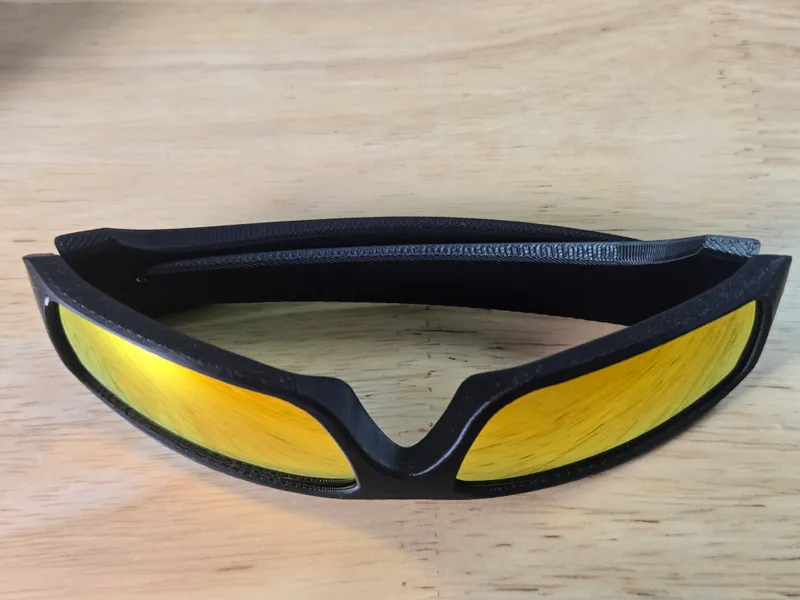
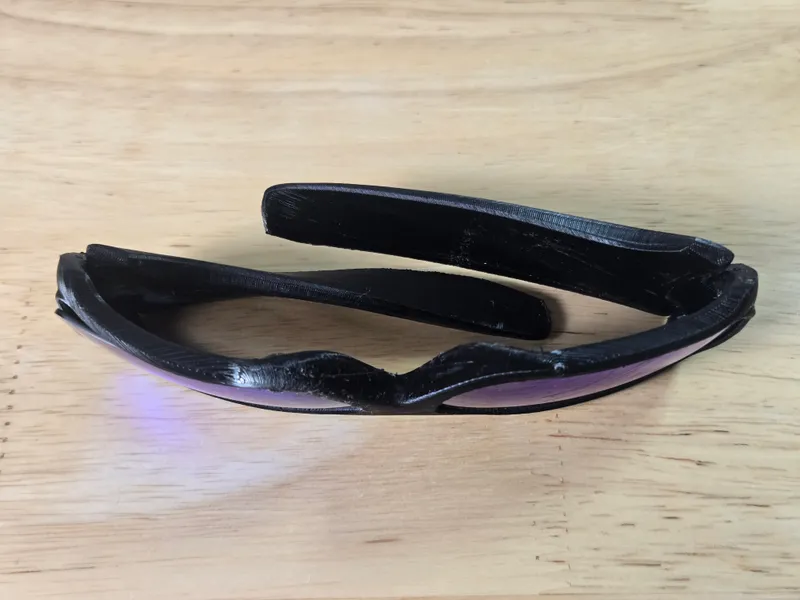
PETG was a surprise: the sunglasses collapsed into a melted-looking pile on the dashboard. Despite its higher listed softening point, the thin frames likely couldn't cope with the dashboard's radiant heat, which climbs well above the cabin air temperature.
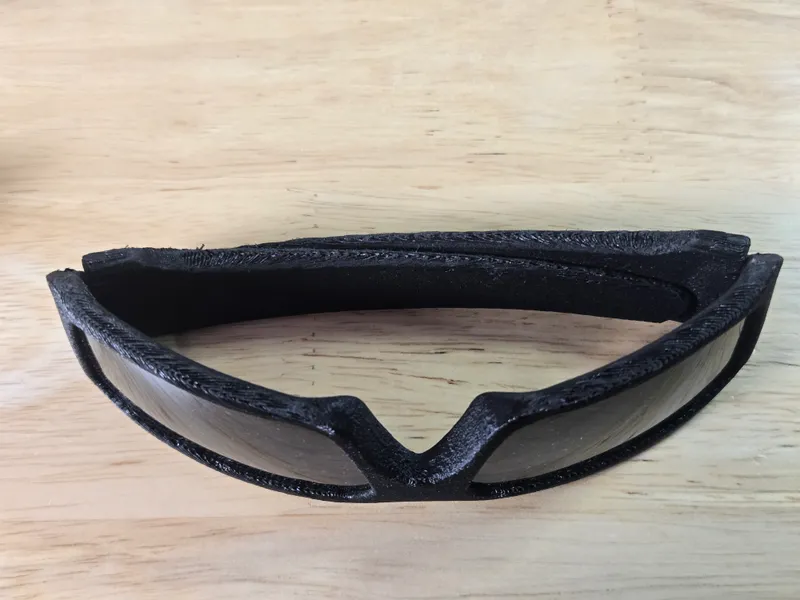
The PAHT-CF sunglasses were the clear winner. They remained rigid, unwarped, and resistant to bending.
Conclusion
In this test, PLA softened, PETG was badly damaged, and PAHT-CF showed no visible change. The results challenged my assumptions about heat resilience based on printing temperature alone. These are results from one test, not a universal material guarantee. Let me know what you would like tested next.